How a Dermatologist in Bhilai Diagnoses and Treats Complex Skin Conditions
Advanced Dermatological Diagnosis for Healthier Skin
Skin diseases are far more complex than they appear on the surface. From chronic inflammatory disorders to autoimmune skin diseases and infections, accurate diagnosis requires deep clinical expertise, scientific evaluation, and advanced dermatological assessment. A qualified Dermatologist in Bhilai follows a systematic and evidence-based approach to identify the root cause of skin concerns and develop highly targeted treatment strategies.
Whether dealing with acne, psoriasis, fungal infections, pigmentation disorders, or allergic skin reactions, a skilled Dermatologist in Raipur combines medical history, clinical examination, diagnostic technology, and laboratory investigations to ensure precision in diagnosis. Early and accurate detection not only improves treatment outcomes but also prevents long-term skin complications.
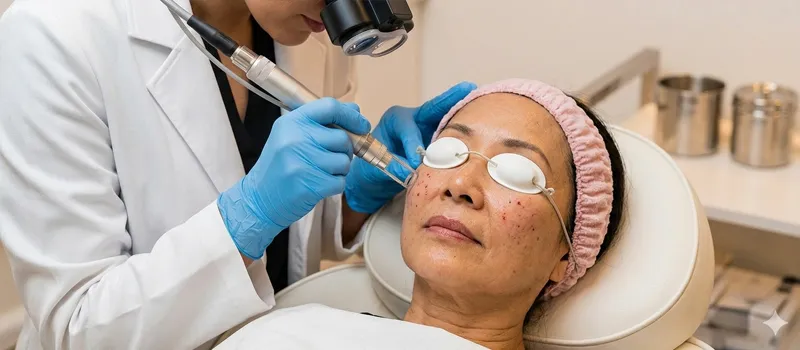
Why Accurate Skin Diagnosis Matters
Many skin conditions share similar symptoms such as redness, itching, inflammation, dryness, or rashes. However, the underlying causes may differ significantly. A minor-looking rash could indicate an allergic reaction, fungal infection, autoimmune disorder, or even an internal systemic disease.
Accurate diagnosis is essential because it helps:
- Identify the exact cause of the skin condition
- Prevent incorrect or delayed treatment
- Reduce the risk of recurrence
- Improve long-term skin health
- Detect serious medical conditions at an early stage
Professional dermatological evaluation ensures patients receive condition-specific treatment rather than temporary symptom relief.
Step-by-Step Process Dermatologists Use to Diagnose Skin Conditions
1. Comprehensive Medical History Evaluation
The diagnostic process begins with a detailed patient consultation. Dermatologists collect critical medical information, including:
Key Areas Assessed:
- Duration and progression of symptoms
- Family history of skin diseases
- Previous treatments and medications
- Lifestyle habits and occupational exposure
- Allergies and immune-related conditions
- Cosmetic and skincare product usage
This initial evaluation helps dermatologists identify patterns and possible triggers contributing to the skin disorder.
2. Clinical Examination of the Skin
A thorough physical examination is one of the most important components of dermatological diagnosis.
Dermatologists Analyze:
- Color and texture changes
- Shape, size, and distribution of lesions
- Scaling, swelling, or fluid-filled eruptions
- Hair and nail abnormalities
- Infection indicators or inflammatory signs
The appearance and location of skin lesions often provide vital clues regarding the underlying condition.
Advanced Diagnostic Technologies Used in Dermatology
Modern dermatology relies heavily on advanced tools and diagnostic procedures to improve accuracy and detect diseases at an early stage.
Dermatoscopy for Detailed Skin Analysis
Dermatoscopy is a non-invasive imaging technique used to examine skin structures beneath the surface.
Common Uses Include:
- Evaluation of suspicious moles
- Early detection of skin cancer
- Diagnosis of pigmentation disorders
- Assessment of inflammatory skin diseases
This technology significantly improves diagnostic precision compared to naked-eye examination alone.
Wood’s Lamp Examination
A Wood’s lamp emits ultraviolet light that helps dermatologists identify infections and pigmentation abnormalities not visible under standard lighting.
Conditions Detected:
- Fungal infections
- Vitiligo
- Bacterial skin disorders
- Certain pigmentation abnormalities
This method is particularly useful for diagnosing hidden or early-stage skin conditions.
Skin Biopsy for Definitive Diagnosis
In complex or persistent cases, dermatologists may recommend a skin biopsy.
What Happens During a Biopsy?
A small sample of skin tissue is removed and examined under a microscope to identify cellular abnormalities.
Biopsies Help Diagnose:
- Psoriasis
- Skin cancer
- Autoimmune skin diseases
- Chronic inflammatory disorders
- Unexplained skin lesions
A biopsy remains one of the most reliable diagnostic procedures in dermatology.
Laboratory Investigations in Dermatology
Skin disorders are sometimes linked to internal health conditions. Dermatologists may recommend laboratory testing to identify systemic causes.
Common Diagnostic Tests Include:
- Blood investigations
- Allergy testing
- Hormonal analysis
- Fungal cultures
- Autoimmune marker testing
These tests provide deeper insight into conditions that cannot be diagnosed through visual examination alone.
Common Skin Conditions Diagnosed by Dermatologists
Acne and Acne Scarring
Acne is caused by excess oil production, clogged pores, bacterial growth, and hormonal imbalance. Dermatologists classify acne severity before designing a treatment protocol.
Eczema and Dermatitis
These inflammatory skin conditions often result from allergies, irritants, or immune dysfunction and require precise identification of triggers.
Psoriasis
Psoriasis is a chronic autoimmune disorder characterized by thick, scaly plaques. Dermatologists evaluate severity and associated systemic involvement before treatment planning.
Fungal Skin Infections
Warm and humid climates increase the prevalence of fungal infections affecting the skin, scalp, and nails.
Pigmentation Disorders
Conditions such as melasma, vitiligo, and post-inflammatory hyperpigmentation require specialized dermatological evaluation for effective management.
How Dermatologists Differentiate Similar Skin Conditions
One of the greatest challenges in dermatology is distinguishing between diseases with overlapping symptoms.
For example:
- Psoriasis and eczema may both appear red and scaly
- Fungal infections can resemble dermatitis
- Skin allergies may mimic bacterial infections
Experienced dermatologists use diagnostic expertise, imaging tools, and laboratory confirmation to avoid misdiagnosis and ensure treatment accuracy.
Importance of Early Dermatological Consultation
Ignoring skin symptoms or relying solely on self-medication can worsen the condition and increase treatment complexity.
Early Consultation Helps:
- Control disease progression
- Prevent permanent scarring
- Reduce infection spread
- Improve treatment success rates
- Detect serious skin disorders early
Professional dermatological care ensures timely intervention and long-term skin health management.
Signs You Should Consult a Dermatologist Immediately
Seek professional evaluation if you experience:
- Persistent acne or rashes
- Severe itching or skin irritation
- Sudden pigmentation changes
- Non-healing wounds or lesions
- Hair fall or scalp disorders
- Recurrent fungal infections
- Suspicious moles or skin growths
Prompt diagnosis significantly improves treatment effectiveness and recovery outcomes.
Conclusion
Dermatology is a highly specialized medical field that requires scientific precision, clinical expertise, and advanced diagnostic capabilities. A professional Dermatologist in Bhilai uses a comprehensive diagnostic approach to accurately identify skin conditions and create personalized treatment plans. Similarly, an experienced Dermatologist in Raipur combines modern technology with clinical evaluation to ensure patients receive effective and evidence-based skincare solutions.
Understanding how dermatologists diagnose skin disorders helps patients recognize the importance of timely medical consultation and accurate diagnosis for maintaining healthy skin and overall well-being.


Comments
Post a Comment